

ARCHER at House 88
Transforming a Symbol of Extremism into a Global Center Against Hate and Radicalization

About
Reassessing 80 Years of ‘Never Forget’
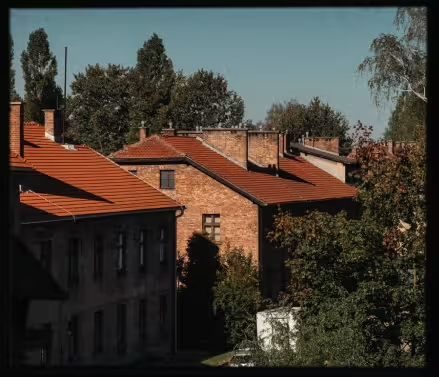
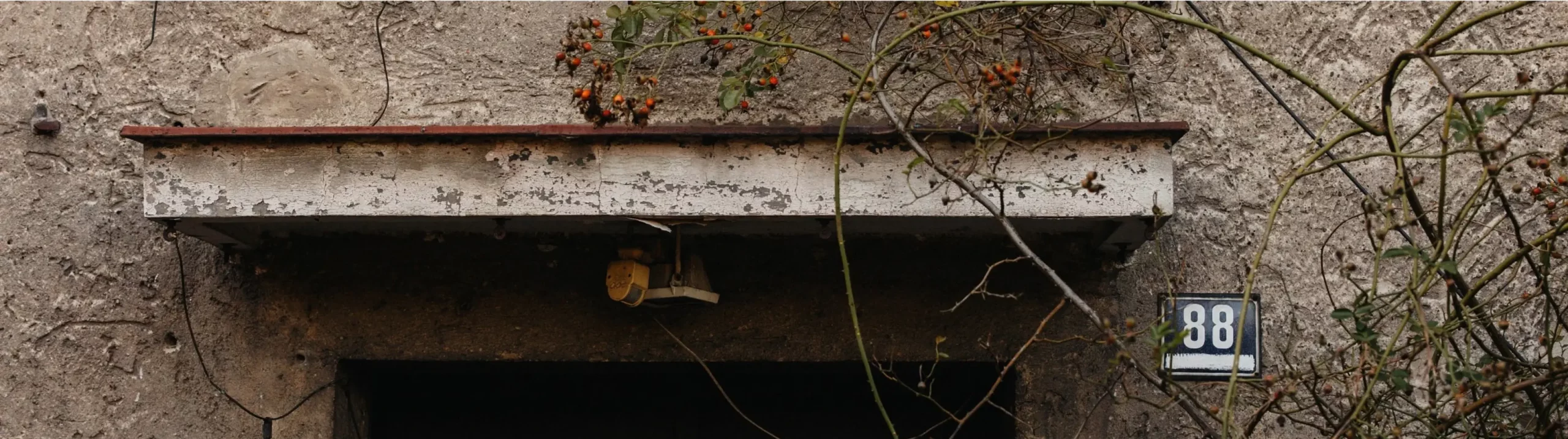
House Number 88 sits directly outside the wall of the former Auschwitz-Birkenau concentration and death camp. It was the home of Rudolph Höss, the former camp’s commandant, who built an idyllic life for his family while organizing mass murder next door.
The Counter Extremism Project has acquired House 88 and will use it to host the world’s preeminent effort to combat antisemitism, extremism and terrorism: the Auschwitz Research Centre on Hate, Extremism and Radicalization (ARCHER) at House 88.
The ordinary home of one of the world’s most notorious extremists will be converted into a unique symbol of the fight against antisemitism, extremism and terrorism.
Please sign up today to receive email updates on our progress, and to join our collective effort to fight antisemitism, extremism and hate. “Never forget” is not enough. We must do more and we ask you to join us in that fight.
History of House 88: The House Next Door
CEP in Partnership with the Auschwitz Museum
House Number 88 on the outside wall of Auschwitz was the former residence of the notorious Rudolf Höss, the Commandant of Auschwitz from 1940-1944.
Höss was the architect and orchestrator of the industrial-scale slaughter of millions. He designed the methods, built the apparatus, and issued the orders to commit the largest scale mass murder in history in service of an extremist ideology. All while he and his family lived and thrived in an ordinary if not luxurious house next door.
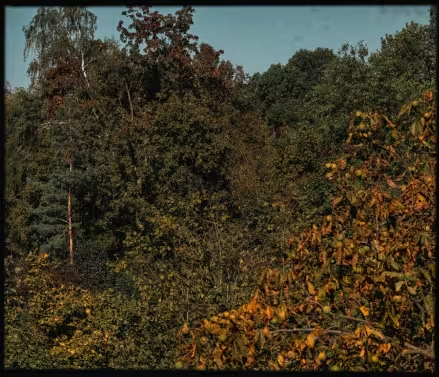
The Höss family described House 88 as their “paradise,” constructing gardens, pools, paths, a stable, greenhouse and sauna–all adjacent to Auschwitz and in close proximity to its gas chambers and crematoria. Extremist ideology had made the brutal ordinary, allowing Höss to live an idyllic life next door to mass murder.
The “ordinary” life lived a House No 88 emanated from a society that had normalized extremist ideology, enabling its citizens to look through and past monstrous acts. House 88 is the perfect symbol for extremism as a universal challenge that requires a universal response–because all societies are vulnerable to the siren call of such ideology. And extremist ideology in the mind of a Rudolf Höss converts the brutal into the ordinary.
* CEP and ARCHER will avoid using Rudolf Höss’ name and that of his family other than in initially describing House 88 and ARCHER. ARCHER should never have the Höss name on materials within its walls. His name when used will be confined to House 88. We will not memorialize his monstrosity, but rather utilize House 88 as a call to action against the rise and spread of extremism.
Announcing ARCHER
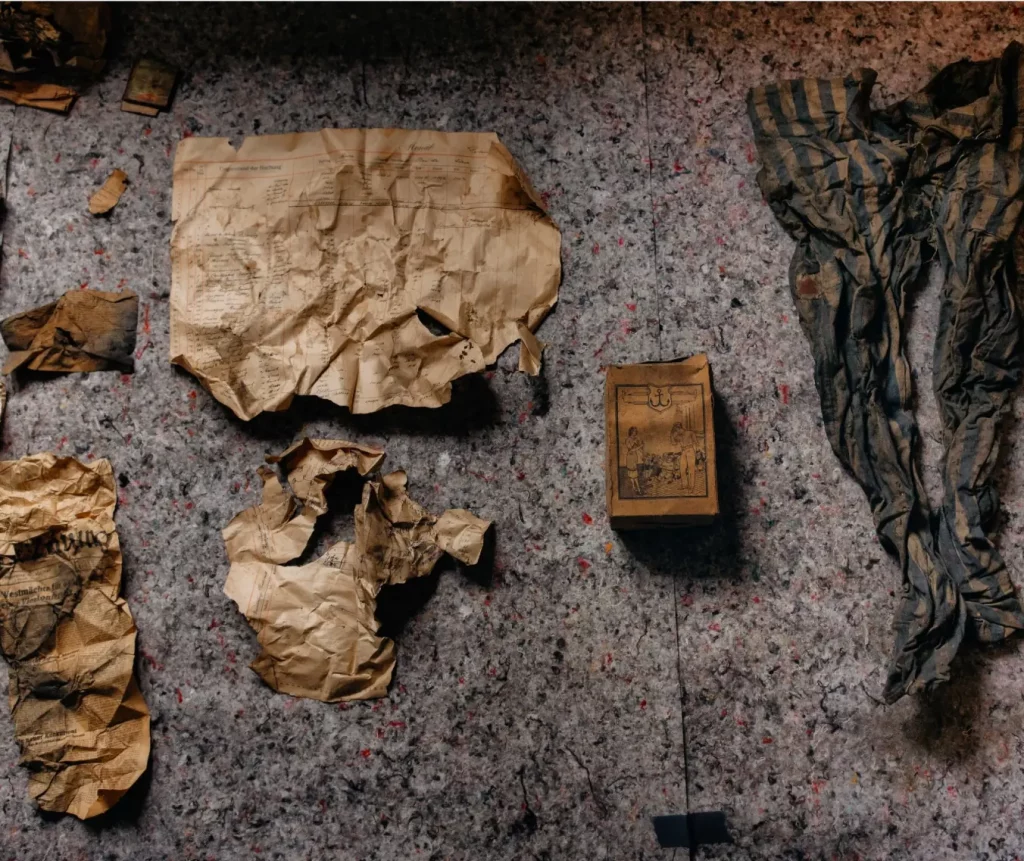
After years of effort, CEP through its Polish-based leadership has purchased House 88 from its owners who have held the property since the end of WWII.
CEP has also secured the property 88a, which was part of the Höss property during the war. The Höss family garden, stable, greenhouse, sauna and patio have been unused and largely untouched in the custody and control of the Auschwitz Museum. CEP hopes to reunite the parcels of land (88, 88a, garden, and patio) that comprised the Commandant’s House 88 and use it to host the preeminent counter-extremism effort in the world: the Auschwitz Research Centre on Hate, Extremism and Radicalization (ARCHER).
The “ordinary” family home where Auschwitz’ Commandant oversaw history’s most infamous manifestation of extremist ideology will now be at the forefront of the fight against extremism. The Auschwitz museum and places like it are sacred, solemn spaces that must exist outside of history, memorializing victims so that we never forget.
The Commandant’s House 88 neither demands nor deserves such commemoration. As a symbol of a society where extremism became the norm, it can and should be repurposed into a site for stopping the extreme from becoming ordinary within our own society. Eighty years after the Holocaust, extremist and hateful ideology continue to thrive both online and in mass media, increasing the risk of the extreme once again becoming normal. ARCHER at House 88 will tackle the fight against extremism with the urgency that it requires.